
Jingdezhen in Jiangxi province
the property preserves a complete handicraft porcelain production system that flourished between the 10th and 19th centuries. Rich deposits of porcelain stone and kaolin clay, together with an extensive water transport network, helped transform the city into the world's foremost center of porcelain production.
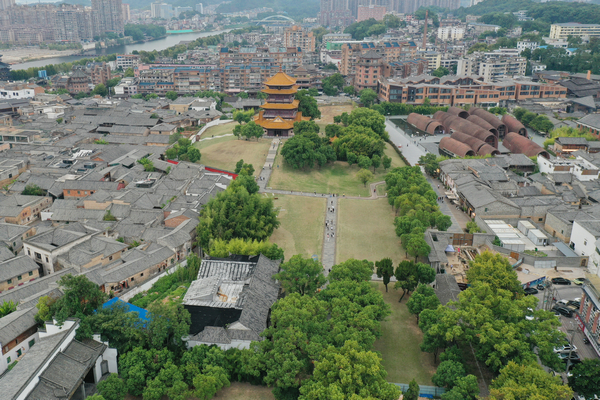
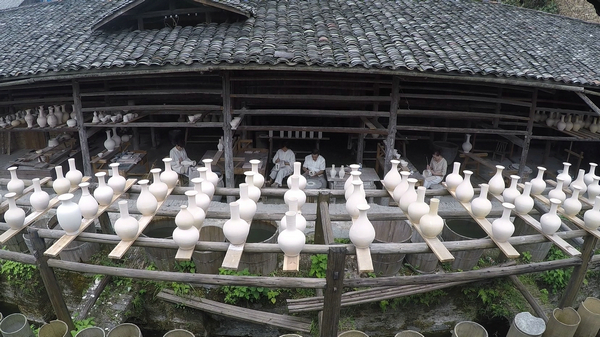
The heritage property comprises 45 component sites spread across 1,979 hectares, ranging from porcelain workshops in the historic urban center to raw material extraction sites, transportation routes and traditional neighborhoods that together illustrate the industry's full production chain.
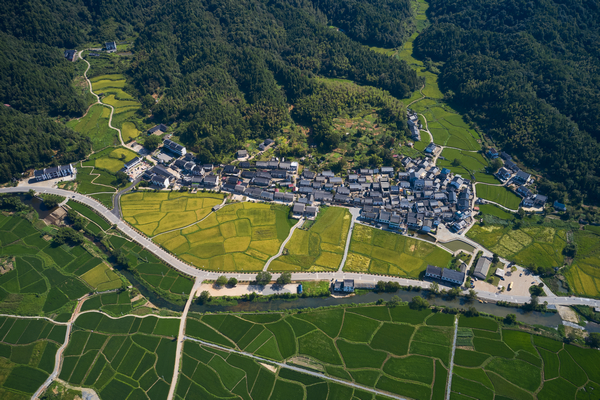
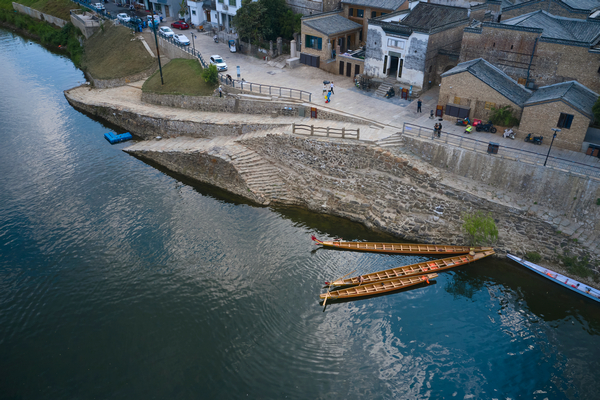
Drawing on the dome-shaped kilns of northern China and the dragon-shaped kilns of the south, Jingdezhen potters developed the gourd-shaped kiln, which later evolved into the highly efficient egg-shaped kiln capable of firing different types of porcelain simultaneously.
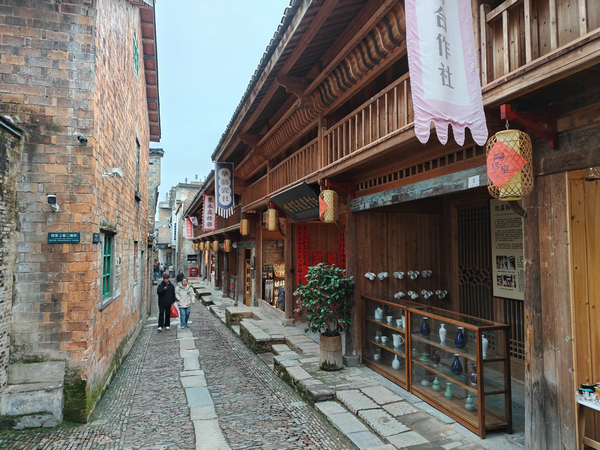
As kiln technology advanced, so did the ceramics themselves. From the bluish-white wares of the Song Dynasty (960-1279) to the blue-and-white ceramics of the Yuan Dynasty (1271-1368), the painted porcelain of the Ming Dynasty (1368-1644) and the famille-rose and enamel wares of the Qing Dynasty (1644-1911), Jingdezhen continually expanded the possibilities of porcelain craftsmanship.

The ancient kiln at the Xujiayao site in Jingdezhen.[Photo provided to China Daily by Jingdezhen Municipal Leading Group Office for World Cultural Heritage Nomination]
Comments powered by CComment